
The History Behind Africa’s Most Famous Landmarks: Unveiling Their Cultural Significance and Stories
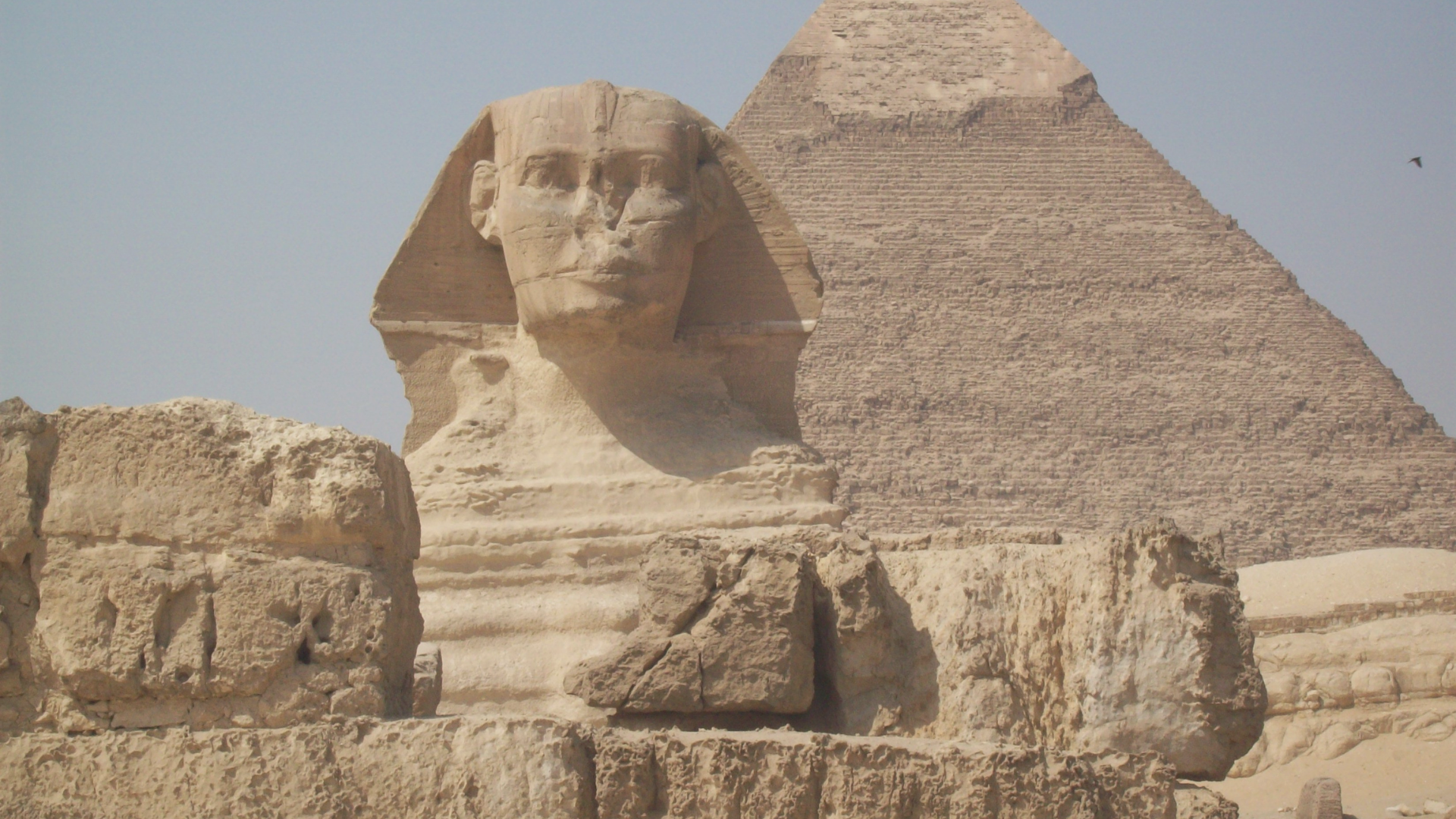
Africa is home to some of the world’s most recognizable and historically significant landmarks. These sites, ranging from ancient pyramids to colonial architecture, each tell a unique story of the continent’s rich and diverse heritage. UNESCO World Heritage Sites like the Great Sphinx of Giza and the Robben Island Museum highlight the cultural and historical narratives that have shaped nations and communities.
The importance of these landmarks extends beyond their visual grandeur; they serve as reminders of Africa’s evolution through various eras, including pre-colonial times, colonialism, and independence movements. Each structure and site has witnessed transformative events and has become a symbol of resilience and heritage for many.
Exploring these historical sites not only offers a glimpse into Africa’s past but also emphasizes their significance in connecting generations. Visitors are invited to discover how these landmarks reflect the continent’s identity and ongoing journey, illuminating the stories that contribute to the rich tapestry of human history.
Ancient Wonders: Pyramids and Temples of Egypt
Egypt is home to remarkable ancient landmarks, showcasing the grandeur of its historical architecture. The Pyramids of Giza and the temples in Luxor reveal the accomplishments of ancient Egyptian culture, emphasizing the significance of the pharaohs and their burial practices.
The Pyramids of Giza and Their Significance
The Pyramids of Giza stand as iconic monuments of ancient Egypt. Built during the Fourth Dynasty, the Great Pyramid of Giza, attributed to Pharaoh Khufu, remains one of the largest and most complex structures ever built.
These pyramids served as tombs for the pharaohs and were designed to facilitate their journey to the afterlife. The precise alignment and massive scale reflect advanced engineering and a strong belief in the afterlife, marking them as a UNESCO World Heritage Site.
Pharaohs, Tombs, and Ancient Structures
In ancient Egypt, pharaohs played a crucial role in religion and governance. Their tombs were elaborate structures, often filled with treasures, intended to provide for them in the afterlife. The burial practices included mummification, which preserved the body for eternity.
Significant tombs, like those in the Valley of the Kings, showcase intricate wall carvings and inscriptions. These monuments demonstrate the society’s artistic capabilities and their reverence for their rulers. The Valley housed the tomb of Tutankhamun, which contained remarkable artifacts.
Luxor and the Valley of the Kings
Luxor served as the ancient capital of Thebes and is rich in archaeological significance. The temples of Karnak and Luxor exemplify the architectural prowess of the Egyptians, showcasing massive columns and detailed hieroglyphics.
The Valley of the Kings, located nearby, became the primary burial ground for pharaohs. This area features numerous tombs, with distinct designs and intricate decorations. The discoveries made here have contributed immensely to understanding Egyptian history and culture.
Egyptian Culture and Its Enduring Legacy
Ancient Egyptian culture was characterized by its beliefs, art, and societal structures. The significance of religion permeated daily life, influencing architecture and literature.
Temples and pyramids were not merely structures; they were reflections of the Egyptians’ spiritual beliefs and hierarchical society. The artistry found in tomb paintings and sculptures reveals a deep understanding of life, death, and the cosmos.
This cultural legacy endures today, inspiring fascination and continued study among historians and archaeologists. Egypt’s ancient wonders remain a testament to a civilization that profoundly impacted human history.
Africa’s Legendary Landmarks Beyond Egypt
Africa is home to numerous landmarks that showcase its rich history and diverse cultures. Iconic sites like Great Zimbabwe, the Rock-Hewn Churches of Lalibela, and the Great Mosque of Djenné encapsulate the achievements of ancient civilizations across the continent.
Great Zimbabwe: Ruins of an Ancient Civilization
Great Zimbabwe, located in present-day Zimbabwe, served as the center of the Kingdom of Zimbabwe during the 11th to 15th centuries. These impressive stone ruins, constructed by the Shona people, reflect advanced architectural skills.
The site features the Great Enclosure and the Hill Complex, showcasing dry-stone wall construction. These structures were not just homes but also symbols of power and trade, connecting the interior of Africa to the coastal trade routes.
Rock-Hewn Churches of Lalibela: Ethiopia’s New Jerusalem
Ethiopia’s Lalibela is famed for its rock-hewn churches, carved from solid rock in the 12th century. This UNESCO World Heritage Site reflects the deep Christian heritage of the region, often referred to as Ethiopia’s New Jerusalem.
Eleven churches, each with unique designs, are connected by a series of tunnels and trenches. They demonstrate incredible engineering prowess and serve as a significant pilgrimage site for Ethiopian Orthodox Christians, drawing visitors from around the world.
The Great Mosque of Djenné and Ancient Timbuktu
The Great Mosque of Djenné, located in Mali, is one of the largest mud-brick structures in the world and an outstanding example of Sahelian architecture. First built in the 13th century, it has been rebuilt multiple times, maintaining its cultural significance.
This mosque serves as a religious and cultural hub for the people of Djenné. Nearby Timbuktu, once a center for trade and scholarship, complements the mosque’s historical allure, representing the intellectual legacy of the ancient West African empires.
Landmarks of Colonization, Struggle, and Natural Wonders
Africa’s history is rich and complex, marked by colonization, struggles for freedom, and remarkable natural formations. Significant landmarks have emerged as symbols reflecting these aspects of the continent’s past and present.
Robben Island and the Legacy of Nelson Mandela
Robben Island is a pivotal symbol of South Africa’s struggle against apartheid. Located off the coast of Cape Town, it served as a prison for political prisoners, including Nelson Mandela.
Mandela spent 18 years incarcerated here, where he endured harsh conditions. The island is now a UNESCO World Heritage Site, commemorating the struggle for freedom and human rights. Guided tours illuminate its history and Mandela’s enduring legacy of resilience.
Elmina Castle and the Atlantic Slave Trade
Elmina Castle, built by the Portuguese in 1482, is one of the oldest European structures in Sub-Saharan Africa. Located in Ghana, it played a central role in the Atlantic Slave Trade, serving as a holding point for enslaved Africans.
This fortress showcases the brutal realities of the slave trade, where countless individuals were forcibly taken to the Americas. The castle now functions as a museum, shedding light on this dark chapter in history and promoting awareness of its lasting impacts.
Leptis Magna: Roman Marvel in Libya
Leptis Magna is an ancient Roman city located along Libya’s Mediterranean coast. Once a prominent city of the Roman Empire, it boasts impressive ruins, including a theater, basilica, and a marketplace.
The site exemplifies Roman architecture, with its intricate mosaics and colossal columns. Today, Leptis Magna is a UNESCO World Heritage Site, attracting historians and tourists intrigued by its historical significance and architectural beauty.
Fort Jesus and Coastal Strongholds
Fort Jesus, constructed by the Portuguese in Mombasa in the 16th century, represents the legacy of colonial power in East Africa. Its strategic location made it a crucial naval base along trade routes to Asia.
The fort showcases a blend of European architectural styles and local influences. It stands as a testament to the region’s colonial history and is recognized as a UNESCO World Heritage Site. Fort Jesus continues to attract visitors interested in its military history and the dynamics of coastal trade.
Natural Masterpieces: Africa’s Iconic Landscapes
Africa is home to a variety of stunning natural wonders that showcase the continent’s diverse landscapes. From magnificent waterfalls to towering mountains, these landmarks illustrate the unique beauty of the African environment.
Victoria Falls: The Smoke That Thunders
Victoria Falls, located on the border between Zambia and Zimbabwe, is one of the largest and most famous waterfalls in the world. This UNESCO World Heritage site plunges around 108 meters, creating a spectacular curtain of water during the rainy season. The local name, “Mosi-oa-Tunya,” translates to “The Smoke That Thunders,” reflecting the mist generated by the falling water.
Visitors can experience the falls from various viewpoints, including the iconic Lookout Tree and Devil’s Pool. The rich biodiversity in the surrounding rainforest allows for glimpses of wildlife such as monkeys and exotic birds. Adventure seekers often participate in activities like white-water rafting or bungee jumping nearby.
Mount Kilimanjaro: The Roof of Africa
Mount Kilimanjaro stands as the highest mountain in Africa, reaching 5,895 meters. Situated in Tanzania, it attracts climbers from around the globe. This dormant stratovolcano offers diverse ecosystems, ranging from lush rainforests at its base to alpine deserts near the summit.
The trek up Kilimanjaro is popular for its varying climatic zones. Climbers often encounter unique wildlife, such as elephants and various bird species. The mountain’s iconic Uhuru Peak provides stunning panoramic views, rewarding those who complete the challenging ascent.
Table Mountain and the Spectacular Cape
Table Mountain overlooks Cape Town, South Africa, and is recognized for its flat-topped profile. As a national park, it offers 1,500 plant species, many of which are endemic. The cable car provides easy access to the summit, where visitors can enjoy breathtaking views of the city and the Atlantic Ocean.
Hiking trails weave through the mountain, showcasing its unique flora and fauna. The area is also a sanctuary for wildlife, including the rare Klipspringer antelope. This iconic landmark exemplifies the rich natural beauty of the Cape region.
The Sahara Desert: Sea of Sand
The Sahara Desert, stretching across North Africa, is the largest hot desert in the world. Covering about 9.2 million square kilometers, it consists of spectacular landscapes, from vast sand dunes to rugged mountains and oasis towns.
This desert is home to unique ecosystems, supporting wildlife such as foxes, gazelles, and scorpions. The experience of traversing the Sahara can include camel treks or visits to Berber villages, enriching the understanding of its cultural significance. Its stark beauty and immense scale captivate travelers and researchers alike.