
How to Travel Like a Local and Skip the Tourist Traps: Insider Tips for Authentic Experiences
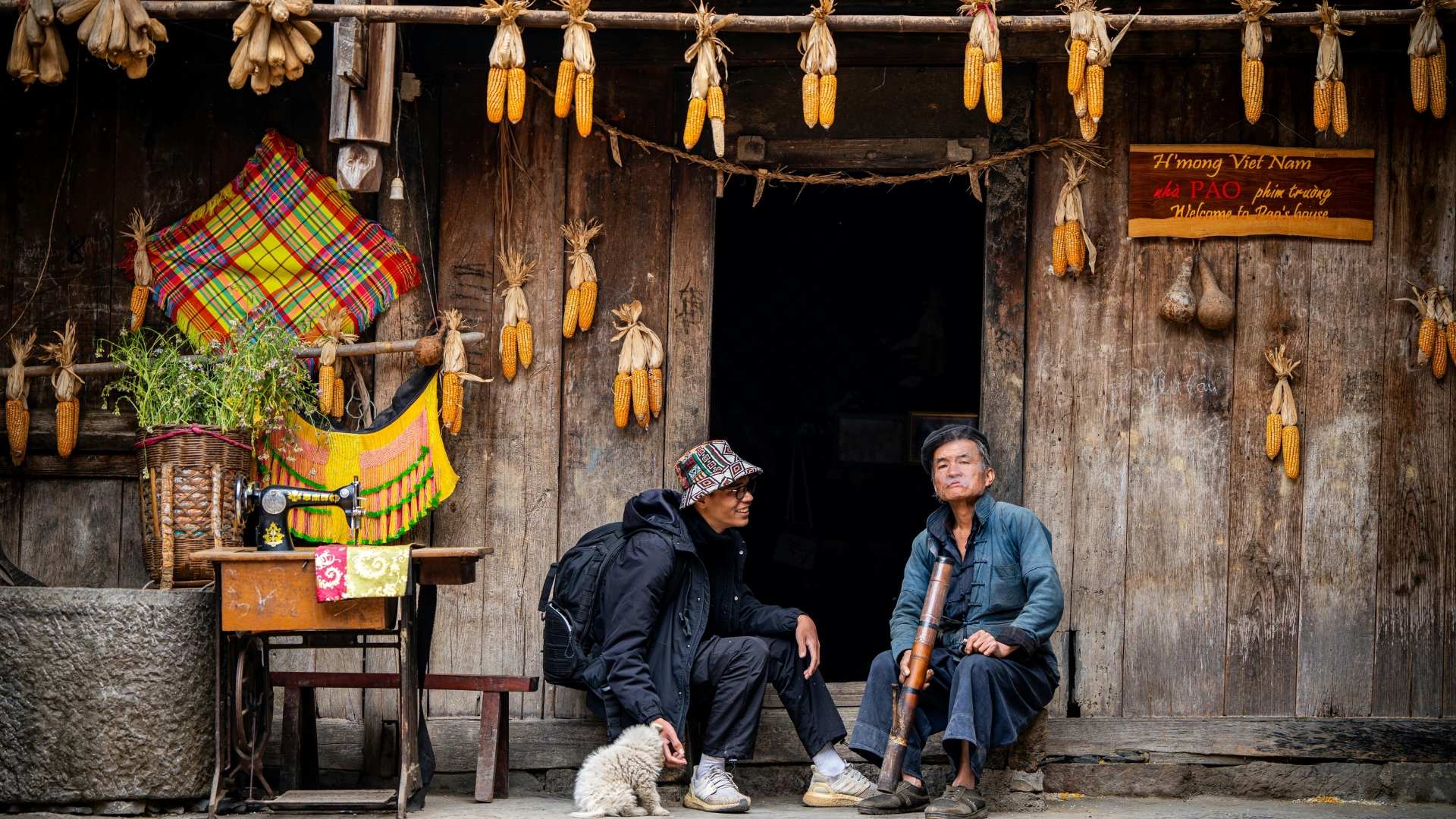
Traveling to a new destination often brings excitement, but navigating the maze of tourist traps can overshadow the true essence of a place. To truly experience a city like a local, one must embrace the less-traveled paths and engage with the community. Finding hidden gems and connecting with residents can lead to more authentic experiences that enrich any travel journey.
One effective way to skip the tourist pitfalls is by researching local events and festivals that showcase regional culture. Instead of visiting crowded landmarks, seeking out neighborhood markets or street food can provide a taste of genuine traditions. By using local transportation or walking through neighborhoods, travelers can discover unique sights that highlight the city’s character.
Engaging with locals can also yield valuable insights into the best spots to visit. Conversations with residents often reveal cherished eateries or scenic parks that are overlooked by most tourists. With a little effort in planning and an open mindset, anyone can experience a destination in a way that fosters a deeper appreciation for its culture and lifestyle.
Core Principles for Traveling Like a Local
Traveling like a local involves understanding the culture, blending in with local styles, and embracing the customs of the community. Familiarity with language and habits enhances the overall experience and deepens connections with residents.
Understanding the Importance of Authentic Travel
Authentic travel transcends typical tourist experiences. It allows one to engage with local culture in a meaningful way. By seeking genuine interactions, travelers can gain insights into daily life.
Locals often know hidden gems that aren’t featured in guidebooks. These include family-run eateries, neighborhood markets, and lesser-known attractions. Participating in local traditions and events provides an authentic glimpse into the culture.
Travelers should research past customs and current events to understand the local mindset. This awareness fosters deeper connections and enriches the experience.
Blending In: Dressing and Behaving Like a Resident
Appearance and behavior can significantly influence how a traveler is perceived. Dressing like a local helps to avoid standing out. Researching typical clothing styles in the destination is essential.
Local customs often dictate appropriate attire. For example, conservative clothing may be required in certain religious sites. Dressing suitably shows respect and enhances interactions with locals.
Behavioral norms also vary by location. Simple gestures, such as greetings or dining etiquette, differ between cultures. Alignment with these local practices builds rapport and demonstrates respect.
Learning Basic Phrases and Customs
Language can bridge gaps and foster connections. Learning a few basic phrases in the local language can lead to more authentic interactions. Greetings, “thank you,” and simple questions can enhance experiences.
Understanding local customs is equally important. Each culture has unique practices that may not be immediately apparent. For instance, dining rituals or social norms may differ widely.
Engagement in cultural practices, such as festivals or local sports, creates shared experiences. Being open and curious invites locals to share their world, enriching the journey.
How to Find Authentic Local Experiences
Travelers seeking genuine local experiences should focus on lesser-known activities, interactions with locals, and choosing neighborhoods that reflect the true spirit of a destination. Exploring these elements can significantly enhance the travel experience.
Identifying Hidden Gems Off the Beaten Path
To discover hidden gems, research and use travel apps or websites that highlight lesser-known attractions. Online platforms like Atlas Obscura and Eventbrite can reveal unique events and locations.
Make a list of local eateries, markets, and parks that aren’t highlighted in mainstream tourist guides. These places often offer more authentic menus and local culture.
When exploring, consider visiting during off-peak hours to enjoy a quieter experience. Seek out recommendations from locals when you arrive. They can point you to spots that provide genuine flavors and stories.
Connecting with Residents for Insider Tips
Connecting with locals is a powerful way to uncover authentic experiences. Engaging in conversations with residents at cafes, parks, or community events can yield invaluable insights.
Participating in a community tour can also bridge this gap. Introductory classes such as cooking or art can lead to interactions that provide deeper cultural understanding.
Social media platforms and community forums can also aid in connecting with locals. Websites like Meetup host events where travelers can join groups that share similar interests. This offers excellent opportunities to learn about the area.
Choosing Local Neighborhoods Over Tourist Centers
Selecting accommodations in local neighborhoods instead of tourist-centric areas can significantly enhance a travel experience. Neighborhoods often reflect the local culture more accurately than bustling tourist spots.
Staying in areas populated by residents often leads to hidden cafes, artisan shops, and parks frequented by locals. These experiences provide insights into daily life and regional traditions.
Visiting local markets and festivals in these neighborhoods gives travelers a taste of the authentic community spirit. Engaging with local arts and crafting spaces can also enrich one’s understanding of the culture.
Eating, Shopping, and Moving Around Like a Local
To truly experience a destination, engaging with local markets, dining authentically, and utilizing local transportation is essential. These practices not only provide a glimpse into the local culture but also support communities directly.
Seeking Out Local Markets and Authentic Dining
Local markets offer a vibrant experience and an array of fresh produce, handmade goods, and regional specialties. They provide insight into daily life and culinary traditions. Visiting these markets allows travelers to sample local flavors, such as street food or artisanal products, often prepared by local chefs or vendors.
Dining at family-run restaurants or cafes instead of popular tourist spots enhances authenticity. Placing emphasis on restaurants that showcase local ingredients and traditional recipes ensures a more enriching meal. Checking online reviews and seeking recommendations from locals can lead to hidden gems that provide a true taste of the area.
Supporting Small Businesses and Artisans
Shopping at local boutiques and artisan shops rather than large retail chains supports the local economy. Small businesses often feature unique, handcrafted items that reflect the culture and creativity of the area. Travelers should seek out artisans who specialize in traditional crafts such as pottery, textiles, or jewelry.
Engaging with local markets and festivals can also unveil unique products. Purchasing items directly from makers allows travelers to learn more about the craftsmanship and stories behind each piece. This approach not only fosters community but also ensures that purchases are meaningful and memorable.
Navigating Cities with Local Transportation
Using local transportation, such as buses, trams, or bikes, provides insight into everyday life. Public transit can be a cost-effective and convenient way to explore a city. It also encourages interactions with residents, facilitating a deeper connection to the locale.
Biking or walking through neighborhoods helps uncover hidden gems that may not be visible from traditional tourist routes. Travelers should consider getting a local transit pass or map to enhance mobility. Engaging in these local methods of transportation fosters a sense of belonging and adventure.
Deepening Your Connection with Local Culture
Engaging deeply with local culture enriches travel experiences. Respecting customs and participating in community events fosters genuine connections that transcend typical tourist activities.
Respecting Local Customs and Etiquette
Adopting local customs significantly enhances travel experiences. Travelers should research customs specific to the region they are visiting. For example, in Japan, it’s essential to bow when greeting someone. In contrast, in some Middle Eastern countries, using the right hand for greetings and gift-giving is necessary.
Understanding dress codes is equally important. In religious places, modest attire is often required. Smaller gestures, such as learning a few phrases in the local language, can lead to positive interactions.
Travelers can also observe dining etiquette. For instance, in Italy, it’s common to wait for everyone to be served before beginning to eat. Each of these practices helps travelers demonstrate respect and appreciation for the host culture.
Participating in Community Events and Festivals
Experiencing local events offers authentic glimpses into a culture. Community festivals can reveal traditions, music, and food unique to the area. Attending these festivities allows travelers to engage with residents and share in local pride.
Before arriving, travelers should check local calendars for events. Participating in a harvest festival, for example, provides insights into agricultural practices. Local markets often feature craft days or food tastings that promote local artisans.
Volunteering during events can also be rewarding. Contributing time to a local charity enhances connections while supporting the community. These experiences foster relationships and create lasting memories that typical sightseeing cannot offer.


