
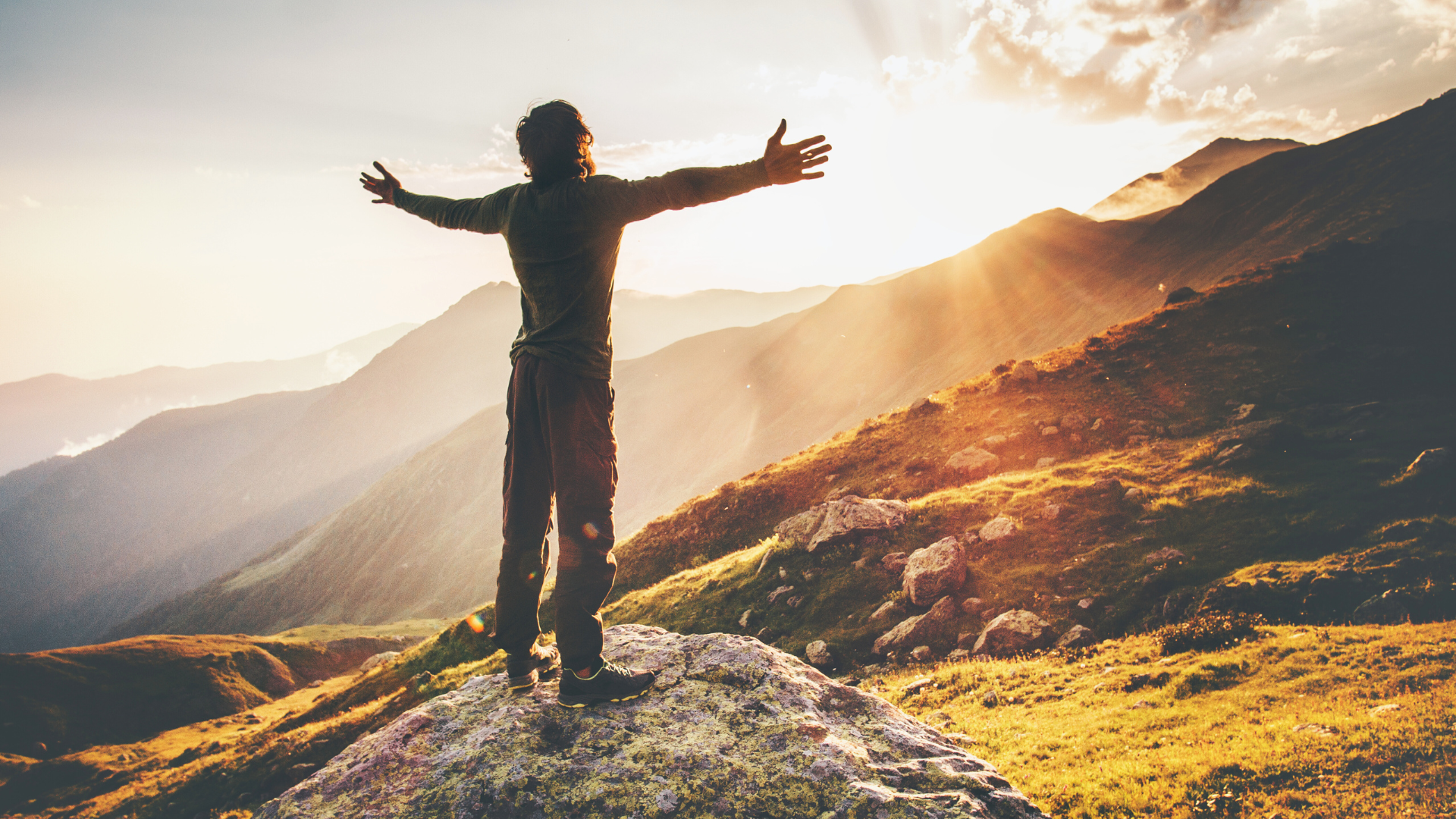
How to Turn Travel into a Lifestyle: Embracing Adventure and Freedom Every Day
Many people dream of traveling frequently, but turning that dream into a sustainable lifestyle requires intention and planning. Adopting travel as a lifestyle involves prioritizing experiences, embracing remote work opportunities, and cultivating a flexible mindset. By approaching travel with practicality and purpose, it becomes possible to explore the world regularly while maintaining a fulfilling life.
Creating a travel-friendly lifestyle often begins with re-evaluating financial priorities. This might include budgeting for trips, seeking affordable accommodations, and finding ways to earn income while on the road. Simplifying possessions can also lead to a more mobile life, making it easier to move from one destination to another.
In addition, building a community of like-minded travelers can offer support and inspiration. Many find motivation through travel blogs, social media, or local meetups that provide tips and encouragement. With the right mindset and resources, integrating travel into daily life is not only feasible but can also lead to enriching experiences and connections.
Fundamental Steps to Make Travel Your Lifestyle
Transitioning to a travel-oriented lifestyle requires intentional shifts in perspective and planning. By understanding how to redefine one’s relationship with travel, adopting a long-term mindset, and managing finances effectively, anyone can embrace life on the road.
Redefining Your Relationship with Travel
To make travel a lifestyle, it’s essential to see it as more than just a vacation. This shift involves prioritizing experiences over possessions. Individuals should identify what travel means to them—whether it’s adventure, culture, or relaxation.
Creating a travel bucket list can help focus on destinations and experiences that resonate personally. Regular exploration of nearby locales can also foster a deeper connection to travel. By viewing travel as a means of personal growth, one can find fulfillment outside traditional routines.
Adopting a Long-Term Mindset
Long-term travel requires a different approach compared to short trips. Embracing a nomadic lifestyle means adapting to various cultures and environments. Individuals should consider flexible work options, like remote jobs or freelance opportunities, to sustain travel.
Setting travel goals, such as a new destination every month or specific experiences, can enhance the journey. It’s also important to have a reliable travel routine, which can include budgeting for trips, maintaining travel gear, and building a community with fellow travelers for shared experiences.
Financial Planning for a Life on the Road
Effective financial planning is crucial for sustaining a travel lifestyle. Establishing a budget that includes travel expenses is the first step. Identifying reliable income streams—such as remote work, savings, or passive income sources—can ensure consistent funding.
Individuals should also consider cutting unnecessary expenses and finding cost-effective travel options. Utilizing travel rewards programs and remaining flexible with booking can lead to significant savings. Moreover, researching affordable accommodations and utilizing travel tips like cooking meals can further stretch a travel budget.
Strategies to Sustain Long-Term Travel
Sustaining long-term travel requires strategic planning and a flexible approach. By effectively managing work and legal requirements, it becomes feasible to travel extensively while maintaining financial stability.
Building a Remote Career or Business
Creating a remote career is essential for those who wish to travel continuously. Many fields, such as technology, writing, and digital marketing, offer remote job opportunities.
Key Steps:
- Identify skills that can be offered remotely.
- Build a strong online portfolio and network through platforms like LinkedIn or Upwork.
- Consider starting a freelance business. This can provide independence and financial stability.
Remote work allows individuals to choose their locations without sacrificing income. It is vital to set realistic work hours to maintain productivity while exploring new destinations.
Utilizing Work Exchanges and Volunteer Programs
Work exchanges and volunteer programs are excellent ways to travel affordably while experiencing local cultures. Programs like Workaway or WWOOF provide lodging and meals in exchange for work.
Benefits:
- Opportunity to learn new skills and engage with communities.
- Cost-effective living arrangements can extend travel budgets.
- Builds meaningful connections with locals.
It’s essential to research opportunities thoroughly and communicate expectations with hosts. Such arrangements often require a commitment of several weeks, allowing for deeper immersion in the destination.
Securing Visas for Extended Stays
Navigating visa requirements is crucial for long-term travel. Different countries have varying regulations regarding duration and purpose of stay.
Considerations:
- Research visa options like tourist, working, or digital nomad visas.
- Ensure all documents are prepared and submitted on time, noting processing times.
Some countries offer extended tourist visas or specific visas for remote workers that allow for longer stays. Understanding local laws helps prevent legal issues during travel. Planning for the visa process in advance can alleviate stress and ensure a smoother journey.
Creating Stability and Community While Traveling
Creating stability and a sense of community while traveling allows individuals to explore the world without feeling unmoored. Establishing routines, fostering connections, and addressing feelings of loneliness can enhance the travel experience.
Establishing Daily Routines in New Destinations
Daily routines provide a sense of normalcy amid the chaos of travel. Setting specific times for meals, exercise, or work can ground a traveler in unfamiliar settings.
For example, choosing a local café as a morning workspace can create familiarity.
- Morning: Have a consistent breakfast time.
- Afternoon: Allocate a couple of hours for exploration or work.
- Evening: Set aside time to journal or reflect on the day.
Integrating local customs and schedules into daily routines can enhance the experience and create a connection to the destination. Finding consistency even while moving from place to place fosters a stable lifestyle.
Making Meaningful Connections Abroad
Building relationships while traveling enriches the experience and creates lasting memories. Engaging with locals and fellow travelers can lead to friendships that provide emotional support.
To meet new people, consider:
- Joining local classes: Cooking or art classes can be social hubs.
- Participating in travel meetups: Websites like Meetup offer community events and gatherings.
- Volunteering: This fosters a connection with both locals and other travelers.
Making an effort to connect with others allows travelers to feel part of the community, rather than just an observer.
Overcoming Loneliness on the Road
Loneliness can be a significant challenge for travelers, especially those venturing alone. Addressing this feeling proactively can enhance the travel experience.
- Create a support network: Engage with friends or family regularly through calls or messages.
- Document experiences: Journaling or blogging can provide an outlet for emotions.
- Seek social spaces: Hostels, co-working spaces, and communal events can offer opportunities to meet others.
Taking deliberate steps to counter loneliness can create a more fulfilling travel lifestyle. Engaging with communities and maintaining connections fosters emotional well-being on the road.
Sustaining Your Travel Lifestyle for the Long Term
Maintaining a travel lifestyle requires attention to personal well-being, continuous growth, and balancing responsibilities. By focusing on these areas, one can create a fulfilling and sustainable approach to travel.
Avoiding Burnout and Maintaining Well-Being
Traveling extensively can lead to physical and mental exhaustion. Travelers need to establish routines that promote balance.
- Set Time for Rest: Schedule specific downtime between trips to recharge.
- Stay Active: Incorporate regular exercise into daily routines. This can include walking, yoga, or local sports.
- Mindfulness Practices: Engage in meditation or journaling to reflect on experiences. This can enhance mental clarity and reduce stress.
Listening to one’s body and mind is crucial. If signs of fatigue appear, adjusting travel plans can prevent burnout.
Continuous Learning and Adaptation
Traveling provides endless learning opportunities. Staying curious about the world encourages personal growth.
- Learn Local Languages: Even basic phrases can enhance the travel experience and foster connections.
- Cultural Studies: Understanding local customs helps in navigating different environments. This can be done through books or online resources.
- Skill Acquisition: Consider taking classes in cooking, art, or local history during travels to deepen engagement.
Adapting to new cultures and environments enriches the travel experience. This evolution is essential for sustaining the lifestyle.
Balancing Adventure with Practical Responsibilities
Traveling is thrilling, but it should not come at the expense of personal and financial responsibilities. Careful planning is crucial.
- Budget Management: Create a sustainable travel budget by tracking expenses and saving on non-essential costs.
- Work Opportunities: Consider remote work options or freelance jobs that allow for flexible travel. This maintains income while exploring.
- Long-Term Planning: Set goals for both travel and personal development. This includes establishing a savings plan for future adventures.
Striking a balance ensures that the pursuit of adventure does not hinder necessary responsibilities. This leads to a more rewarding travel lifestyle.


