
How to Travel with Pets on Long-Haul Flights: Essential Tips for a Smooth Journey
Traveling with pets on long-haul flights can be a complex experience, yet it is entirely manageable with the right preparations. Understanding airline regulations, choosing the right carrier, and ensuring your pet’s comfort during the journey are essential steps to make the trip smoother. Many pet owners wish to include their furry friends in their travels, and doing so requires specific attention to detail.
Before booking a flight, it is crucial to research airlines that accommodate pet travel. Some airlines have restrictions on pet types, sizes, and where they can be placed during the flight. Knowing these details ahead of time can prevent last-minute surprises and help pet owners make informed decisions about their travel plans.
Once the flight is booked, preparing for the journey involves acclimating pets to their carriers and planning for their needs during the flight. Making sure pets are familiar with the space can reduce stress and anxiety. Proper hydration and nutrition also play a vital role in keeping them comfortable throughout the travel experience.
Essential Preparations for Long-Haul Flights With Pets
Traveling with pets on long-haul flights requires careful planning and adherence to specific guidelines. Key factors include understanding airline policies, selecting an appropriate travel carrier, and planning pet-friendly flight routes to ensure a smooth journey.
Understanding Airline Policies and Pet Travel Requirements
Before booking a flight, it’s crucial to check the airline’s pet travel policies. Each airline has distinct rules regarding pet size, breed restrictions, and cabin versus cargo travel. For instance:
- Pet-Friendly Airlines: American Airlines, Delta, and Southwest have varying pet travel options.
- Documentation: Some airlines may require health certificates, vaccination records, or microchipping.
- Booking in Advance: Travel spots for pets in the cabin can be limited. Early booking may be necessary.
- Fees: Familiarize yourself with additional fees associated with traveling with pets.
Reviewing these requirements ensures compliance and helps avoid last-minute complications.
Selecting the Right Travel Carrier
Choosing the right travel carrier is essential for the pet’s comfort and safety. Key considerations include:
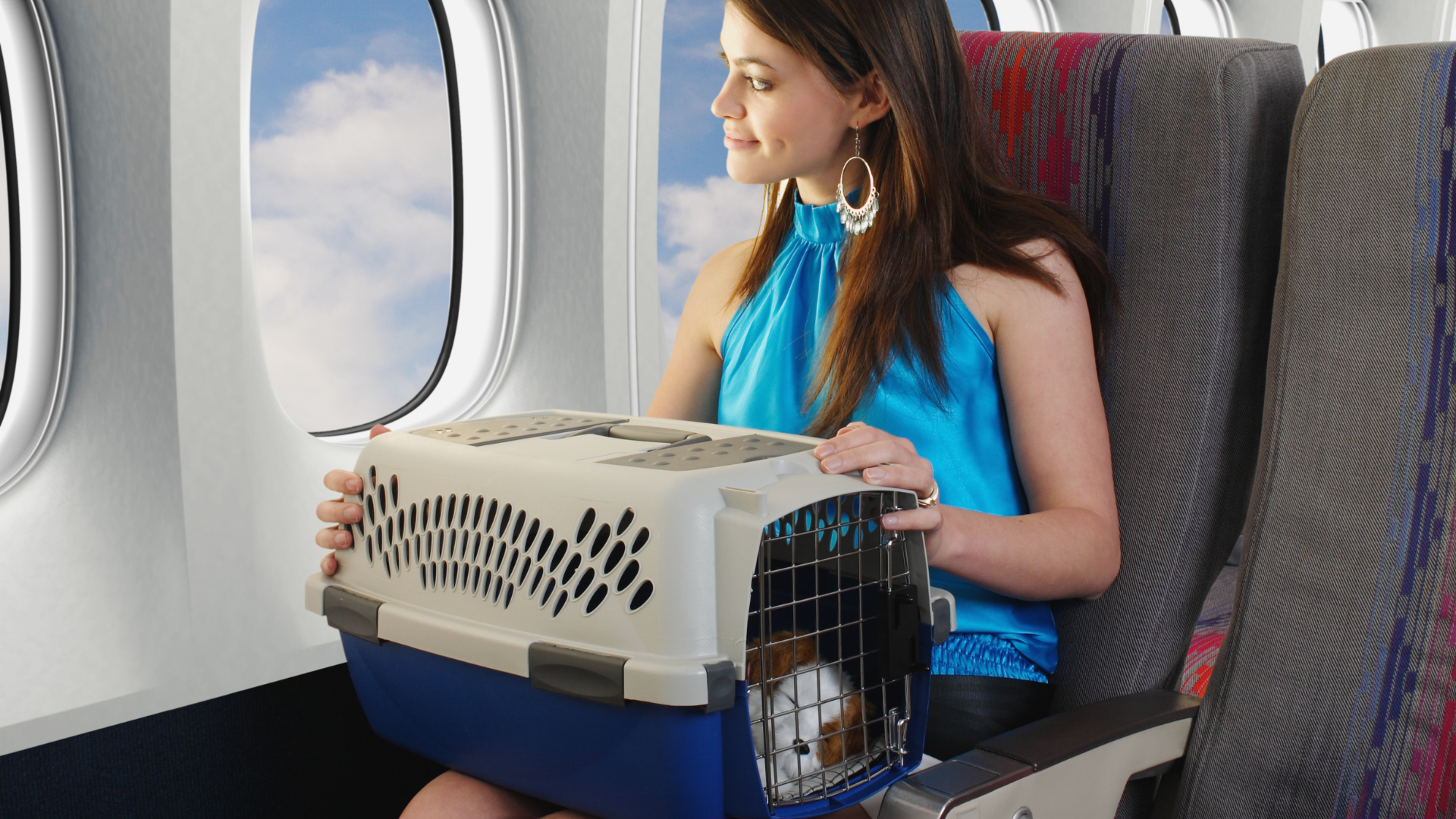
- Carrier Type: Soft-sided carriers are often recommended for in-cabin travel, while hard-sided ones may be required for cargo travel.
- Size Requirements: The carrier must allow the pet to stand, turn around, and lie down comfortably. Airlines typically provide specific dimensions.
- Ventilation and Security: Ensure the carrier has proper ventilation and secure fastening.
- Acclimation: Before the flight, allow the pet to get accustomed to the carrier. Short periods of confinement can ease anxiety during travel.
A well-chosen carrier can significantly enhance the travel experience.
Planning Pet-Friendly Flight Routes
Selecting the best flight route can make a significant difference when flying with pets. Consider the following tips:
- Direct Flights: Opt for direct flights to minimize travel time and reduce stress on the pet.
- Layover Locations: If layovers are necessary, choose airports with pet relief areas and minimal layover times.
- Seasonal Considerations: Check the weather at departure and arrival locations. Extreme temperatures can affect pet travel.
- Flying Time: Aim to schedule flights during cooler parts of the day to ensure comfort.
Planning pet-friendly routes can lead to a smoother travel experience and help reduce anxiety for both the pet and the owner.
Ensuring Pet Comfort and Safety During the Journey
Traveling with pets on long-haul flights requires careful planning to ensure comfort and safety. Key considerations include minimizing stress and anxiety, providing proper onboard care, and utilizing pet relief areas at airports.
Minimizing Stress and Anxiety for Pets
To reduce stress during air travel, proper acclimatization is essential. Before the journey, the owner should let the pet explore the carrier, allowing them to associate it with safety.
Familiar items, such as a favorite blanket or toy, can provide comfort and a sense of security.
During the flight, using calm and soothing words can help ease anxiety. In addition, some pets may benefit from consultative advice regarding anti-anxiety medications from a veterinarian.
Onboard Care: Feeding, Hydration, and Medication
Maintaining hydration and proper nutrition is crucial during long flights. Owners should ensure their pets have access to water, either through a spill-proof bowl or by providing small amounts during breaks.
Feeding should occur before travel to minimize motion sickness, with light snacks available as needed. It’s vital to avoid excessive feeding right before the flight.
For pets requiring medication, scheduling doses according to the travel itinerary can help manage their comfort levels throughout the journey. This is especially important for older dogs or those with chronic conditions, where consistent care, such as effective dog arthritis treatment, can significantly impact their well-being during stressful travel. Familiarize pets with the medications beforehand to ensure compliance.
Managing joint pain during a long flight is a common concern for owners of aging dogs. Long periods of immobility in a small carrier can cause stiff joints to become painful and inflamed. Discussing long-term relief options with a veterinarian before the trip is often helpful. Some owners choose a long-lasting canine osteoarthritis treatment that provides continuous relief for months. This type of care helps keep dogs comfortable during travel without the need for frequent redosing on the plane.
Using Pet Relief Areas at Airports
Most major airports provide designated pet relief areas, which can be invaluable during layovers. Owners should plan layovers to allow sufficient time for bathroom breaks and exercise before reboarding.
These areas typically include grass or synthetic surfaces, making it easier for pets to relieve themselves.
Researching airport facilities in advance enables owners to locate the relief areas quickly. Owners should also spend a few minutes engaging their pets in light exercise, which can alleviate pent-up energy and reduce anxiety.
Arrival, Adjustment, and Post-Flight Care for Pets
Arriving at a new destination with pets requires careful planning, particularly regarding customs procedures and helping pets adapt to their new environment. It is crucial to ensure a smooth transition for pets to minimize stress.
Handling Arrivals and Customs with Pets
Upon landing, pet owners must comply with customs regulations specific to their destination. This can include having the appropriate health certificates and vaccination records.
It is advisable to check the country’s pet import rules ahead of time. Some countries may require quarantine or specific vaccinations.
When approaching customs, keep the pet in its carrier to avoid any potential escape. Officials may ask to inspect the pet and documentation, so having these items easily accessible is beneficial.
Checklist for Customs:
- Health certificates
- Vaccination records
- Import permits (if applicable)
Being organized can streamline this process and reduce stress for both the pet and the owner.
Assisting Pets in Adjusting to a New Environment
After clearing customs, the focus should shift to helping pets acclimate. Familiarizing them with their new surroundings can ease the transition.
Setting up a designated space with familiar items like bedding, toys, and blankets will provide comfort. It is also helpful to maintain regular feeding and walking schedules.
Monitoring behavior is essential. Signs of anxiety, such as excessive barking or hiding, may indicate a need for added reassurance. Engaging in gentle play or taking walks can help alleviate stress.
Tips for Adjustment:
- Establish a routine immediately
- Gradually introduce new areas
- Spend quality time to build comfort
Taking these steps will facilitate a smoother adjustment period for pets, ensuring they feel secure in their new environment.